 | Language :
Waterproof tact switch
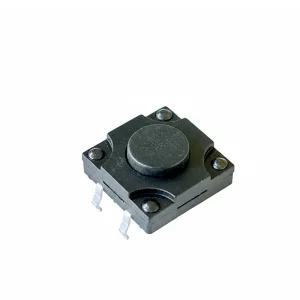
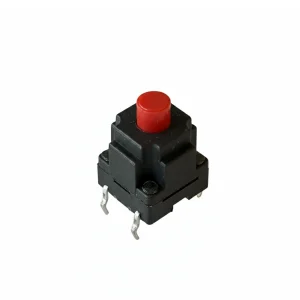
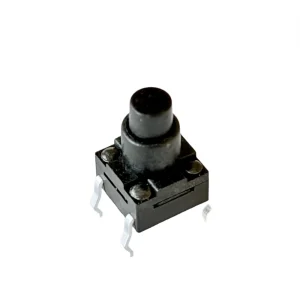
Waterproof Tactile Switches
The Gold Standard for Durability and Environmental Protection
Waterproof Tactile Switches (also known as sealed or process-sealed switches) are engineered to prevent the ingress of liquids, dust, and contaminants that typically lead to oxidation, short circuits, or mechanical failure. These switches are an evolution of the standard tactile switch, incorporating internal seals—usually made of silicone rubber or integrated membranes—to protect the sensitive metal dome and contacts.
In modern manufacturing, these are often referred to as "washable" switches, meaning they can survive the rigorous high-pressure aqueous cleaning processes used on PCB assembly lines to remove solder flux.
Key Ingress Protection (IP) Ratings
The level of "waterproofing" is defined by the IP Rating (IEC 60529 standard). Most high-quality waterproof tact switches fall into these two categories:
| Rating | Definition | Common Use Case |
|---|---|---|
| IP64 / IP65 | Protected against dust and water splashes or low-pressure jets. | Kitchen appliances, indoor industrial panels. |
| IP67 | Dust-tight and protected against temporary immersion (1m for 30 min). | Handheld outdoor devices, e-bikes, medical tools. |
| IP68 | Protected against continuous immersion under pressure. | Smartphones, dive computers, wearables. |
| - | - | - |
| - | - | - |
Common Sizes and Form Factors
Waterproof switches are available in almost every standard footprint, though they often have a slightly higher profile to accommodate the internal sealing gasket.
- Standard (6x6mm): The most common size; available in height options from 4.3mm to 10mm+.
- Medium (10x10mm): This is available in 13mm height
- Large (12x12mm): Heavy-duty versions often used in automotive and rugged industrial interfaces.
Anatomy of a Waterproof Switch
1. Sealed Actuator: The plunger is often shrouded in a silicone boot or a heat-bonded film that moves with the button but keeps the housing airtight.
2. Molded Base: The pins (terminals) are insert molded with the plastic body to prevent "wicking" (liquids creeping up the pins into the switch).
3. Corrosion-Resistant Contacts: Internal domes are silver plated to ensure electrical integrity even if the exterior environment is humid.
4. High-Temp Plastic: Built with materials like LCP (Liquid Crystal Polymer) or Nylon 6T to survive the high heat (260∘C) of reflow soldering ovens.
Critical Applications
Medical Electronics: Devices like infusion pumps or handheld monitors that require frequent wiping with liquid disinfectants.
Automotive: Key fobs, door handle buttons, and steering wheel controls exposed to moisture and temperature swings.
Outdoor Infrastructure: Smart meters, gate controllers, and security cameras.
Consumer Tech: Electric toothbrushes, vaporizers, and "washable" computer peripherals.
Design Tip: Avoiding the "Air Trap"
When using a fully sealed IP67 switch, the internal air is trapped. If your product is subjected to extreme altitude changes or high-heat environments, the internal pressure can cause the switch to feel "stiff" or "mushy." Designers often look for switches with a pressure-balancing vent or ensure the external button cap doesn't create a secondary airtight seal against the casing.