 | Language :
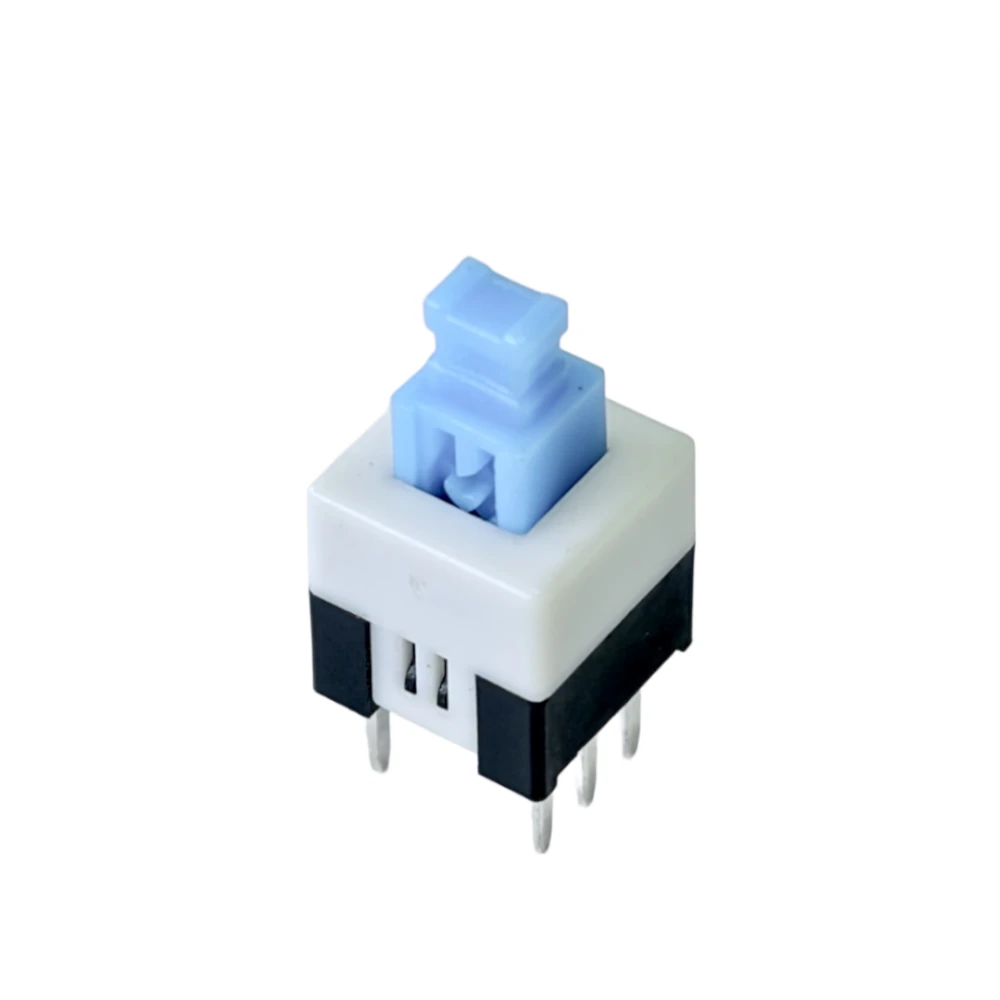
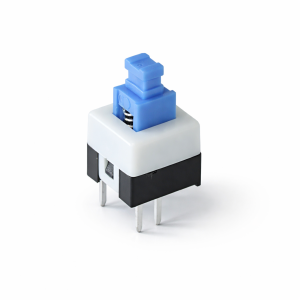
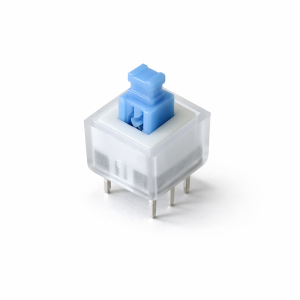
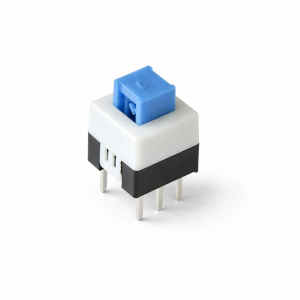
The 7x7mm Non-Locking Push Switch is a high-reliability vertical tactile switch specifically engineered for Anti-Tamper applications in smart energy meters, gas meters, and water meters.
Unlike standard user-facing buttons, this switch is an internal “watchdog.” It is mounted on the PCB and held in the compressed (actuated) state by the meter’s outer casing. If the cover is forcibly removed or loosened, the switch is released, instantly triggering a tamper event log or “deadman” signal to the utility provider.
| Feature | Details |
|---|---|
| Dimensions | 7.0mm x 7.0mm (Square Base) |
| Switching Type | Momentary / Non-Locking (Returns to resting state when released) |
| Circuitry | DPDT (6-Pin) or SPST (depending on model) |
| Mounting Type | Through-Hole (THT) or Surface Mount (SMD) |
| Actuation Force | 200gf to 350gf (Higher force prevents false alarms from vibration) |
| Contact Rating | 0.1A @ 30V DC |
| Operating Life | 50,000+ Cycles |
| Travel (Full) | ~1.5mm to 2.5mm (Longer travel than standard tact switches) |
Why the 7x7mm Form Factor?
-
Long Plunger Travel: Unlike 6x6mm tact switches with 0.25mm travel, the 7x7mm “Self-Lock style” body (used here in non-locking mode) offers longer travel. This allows for mechanical tolerances in the meter’s plastic housing, ensuring the switch remains pressed even if the plastic expands or contracts due to weather.
-
Vertical Stability: The 7x7mm footprint provides a wider base than miniature switches, preventing the switch from tilting or breaking under the constant pressure of the meter cover over a 10–15 year lifespan.
-
High Reliability in Harsh Environments: Energy meters are often installed outdoors. These switches feature robust internal contacts designed to resist oxidation and humidity, ensuring the “Tamper” signal remains valid for a decade or more.
The “Anti-Tamper” Logic
In an energy meter, this switch typically functions in one of two ways:
-
Normally Closed (NC) Logic: The circuit is “broken” when the cover is on. When the cover is removed, the switch releases, closing the circuit and sending a “Case Open” signal to the microcontroller.
-
Continuous Loop: The meter monitors a constant signal through the switch. If the switch is released (cover removed) or the pins are de-soldered, the loop is broken, triggering an immediate fraud alert.
Design & Engineering Advantages
-
Snap-In Mounting: Most 7x7mm THT versions feature “kinked” pins that snap into the PCB, holding the switch perfectly flush during the wave-soldering process.
-
Redundancy: Often available in DPDT (Double Pole, Double Throw) configurations. This allows one pole to trigger a hardware interrupt and the other to physically cut power or illuminate a “Tamper” LED on the meter face.
-
Audible “Click”: Provides clear feedback to utility technicians during meter assembly that the cover has been seated correctly.
Common Applications
-
Smart Energy Meters: Detecting top-cover or terminal-block cover removal.
-
Industrial Enclosures: High-voltage cabinets where opening the door must trigger a safety shutdown.
-
Point-of-Sale (POS) Terminals: Detecting “Case Intrusion” to prevent the installation of credit card skimmers.
-
Security Alarms: Mounting behind a wall bracket to detect if a sensor is pulled off the wall.